

How to Take a Photo for Crop Diagnostics
Elizabeth Buck, Extension Vegetable Specialist
Cornell Vegetable Program
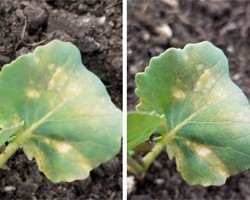
Capturing diagnostically useful images is not as simple as snapping a picture of cute children or animals.
With the current push to work remotely, using pictures to quickly address production questions has a lot of appeal and utility. I love the idea of using grower-captured photos to hasten the trouble-shooting process, especially since it isn't always possible to make prompt farm visits. But in practice it can be quite tough to work out a problem using photos because of poor image quality. High quality diagnostic photos absolutely can allow us (and other ag professionals) to make pretty confident IDs and assessments of what is going wrong.
In How to Take a Photo for Crop Diagnostics, readers will learn:
- What makes a high quality image?
- Things you should know
- Different problems need different images
- Steps for taking a high quality image
- Pro tips
- ...plus there a several side-by-side comparisons of poor quality photos versus high quality images with tips on what changes the photographer made to take the better photo
How to Take a Photo for Crop Diagnostics (pdf; 676KB)


Apples

Apricots

Asian Pears

Blueberries

Cherries

Currants

Gooseberries

Nectarines

Peaches

Pears

Plums

Raspberries / Blackberries

Strawberries

Unusual Fruit

Upcoming Events
2026 Apple Socials
July 17, 2026 : Orleans County - Apple Social
Lyndonville, NY
Apple Socials Return for a Third Year, proudly sponsored by Valent and American Fruit Grower magazine.
July 29, 2026 : Wayne County - Apple Social
Williamson, NY
Please join us at this casual networking event for all apple industry folks from Western NY, proudly sponsored by Valent.
Cornell and New York Cider Association's Hard Cider Tours
July 28 - July 29, 2026 : Cornell Research and Lab Testing Updates
Ithaca, NY
Join Cornell & the New York Cider Association for:
July 28 (PM) Tours and Updates on Cornell Research and Lab Testing at both Cornell Orchards in Ithaca and Lansing. There is an optional dinner at South Hill Cidery (attendees pay)
July 29 (all Day) - Annual New York Cider Summer Tour at about 5 cideries, including lunch at Finger Lakes Cider House (included in registration) . Also includes bus for the first 30 registrants.
There is a discounted hotel block at the Courtyard by Marriott Ithaca Airport/University for 169.00 USD - 179.00 USD per night
Last Day to Book : Sunday, July 12, 2026
Start Date: Tuesday, July 28, 2026
End Date: Wednesday, July 29, 2026
Hotel(s) offering your special group rate: See Cornell and New York Cider Association's Hard Cider Tours details below for the hotel and registration links.
Book your group rate for New York Cider Association They must enter the code: NYCNYCA in the "corporate/promo" area of your Marriott Bonvoy App if guests are making reservations through that app
Cornell Fruit Field Day
July 30, 2026
Geneva, NY
Join Cornell researchers in Geneva for Fruit Field Day, returning after 10 years, to tour research plots, learn from experts—including Dr. Terence Robinson with 40+ years in tree fruit research—and explore the latest orchard technologies and practices. At the catered lunch, network with industry, and visit sponsor displays and equipment. Our keynote speaker is Commissioner of Agriculture Richard Ball. DEC credits available.